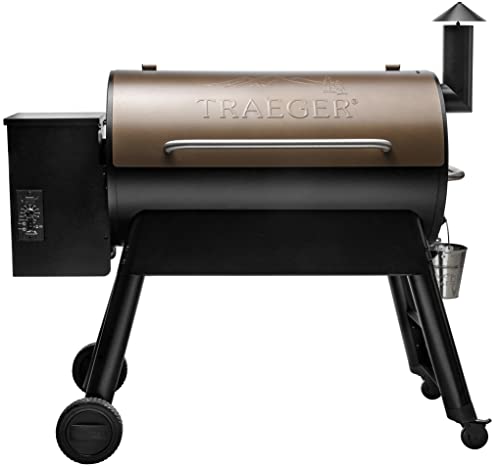
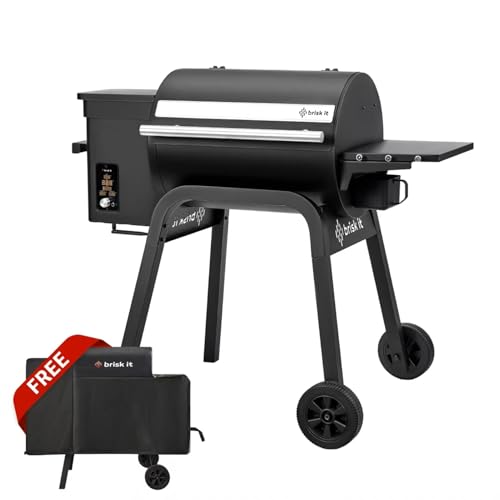
Pellet grills, offset smokers, electric smokers, and BBQ accessories ranked with actual buyer logic. No generic "every grill is great" nonsense. Just what is worth the money and what is not.
Start With the Beginner's GuideThese are the pages most buyers should hit first before they spend anything.

Traeger, Pit Boss, Camp Chef, Weber, Z Grills, and Rec Teq ranked by what actually matters.

The most common question in backyard BBQ. One wins on polish, the other often wins on value.

Thermometers, covers, grates, pellets, and the stuff that actually improves your cook.

If you're new to smoking, this is the fastest way to avoid buying the wrong type of cooker.
The easiest gateway into serious BBQ. Strong flavor, good convenience, and huge range in build quality.

For people who actually want to tend a fire and earn the flavor. More work, more payoff.

Beginner-friendly and apartment-friendlier, but not all of them are worth buying.

Compact rigs for camping, tailgates, and smaller patios without giving up all the fun.
Convenience matters, but flavor still wins. That means pellet grills make sense for most people, while offsets still own the top end for purists willing to work. Electric smokers only make sense if your priorities are ease, space, or budget. That framework drives how we rank everything here.
In other words: we are not pretending every style is equally good for every person. That is how most review sites waste your time.
The key factors are fit, build quality, and how the product will be used day to day. Buyers usually get in trouble when they chase the cheapest option without checking capacity, materials, or installation requirements. The right pick is the one that matches your actual use instead of the one with the flashiest bullet points.
Sometimes, yes. Higher-end options usually justify the price with better hardware, sturdier materials, smoother operation, or longer lifespan. If the product will be used heavily or left installed for years, spending more up front is usually cheaper than replacing a weak option later.
Start by measuring or confirming compatibility before looking at brands. Then compare the specific tradeoffs that matter for this category, like capacity, installation time, daily convenience, and warranty support. Most bad purchases happen when buyers pick off reviews alone without matching the product to their actual setup.
The most common mistake is buying for the spec sheet instead of real-world use. Bigger, heavier, or more feature-packed does not automatically mean better. A product that fits your space, routine, and budget correctly will outperform an βupgradedβ option that creates friction every time you use it.
That depends on materials, environment, and how hard they are used, but quality options in this category should hold up for years rather than months. Proper installation and occasional maintenance matter just as much as brand name. If something wears out unusually fast, poor fit or cheap hardware is usually the culprit.